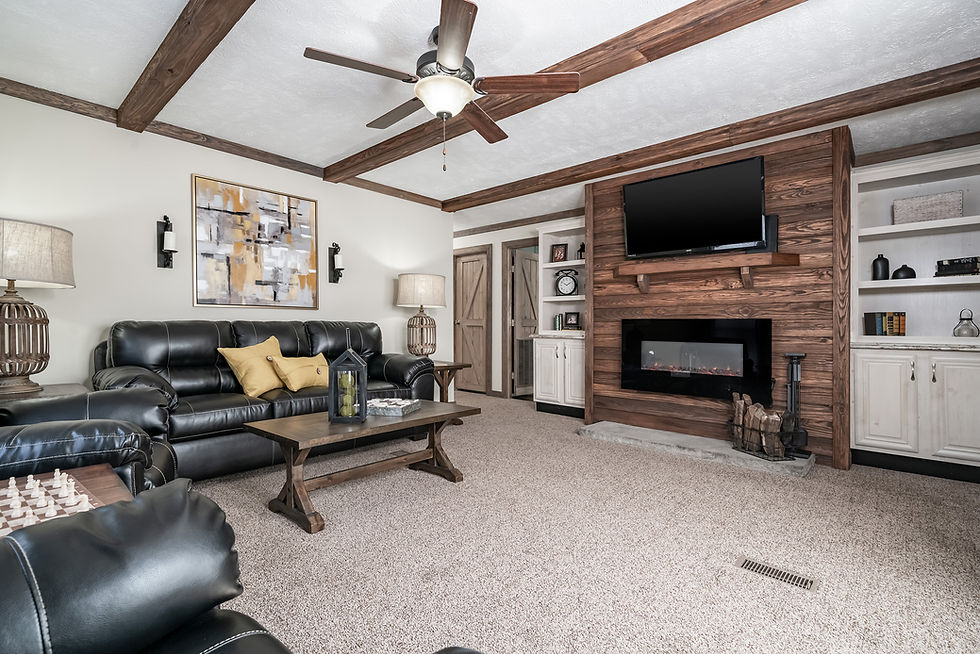
Why More Buyers Are Considering Manufactured Homes in 2026
For years, manufactured homes have been overlooked because of outdated assumptions about what they look like, how they are constructed and whether they can be a good long-term investment.
That conversation is beginning to change.
As the price of housing continues to challenge buyers, manufactured homes are receiving renewed attention as a possible path to homeownership. A recent Florida Realtors article explored this shift, addressing several of the most common myths surrounding manufactured housing.
For those of us who work with these homes every day, the increased attention is encouraging—but affordability should never be the only part of the conversation.
A manufactured home can be a smart housing option, but buyers also need to understand the home, land, financing, site preparation and ownership structure before making a decision.
Today’s Manufactured Homes Are Not the “Trailers” of the Past

One of the biggest challenges facing manufactured housing is its reputation.
Many people still picture a narrow, boxy trailer with limited design options. That image does not accurately represent the homes being built today.
Modern manufactured homes may include:
Open-concept living areas
Large kitchen islands
Walk-in closets
Fireplaces and built-in entertainment centers
Mudrooms and utility rooms
Spa-style bathrooms
Porches, dormers and residential exterior features
Custom cabinetry, flooring, colors and finishes
Manufactured homes are also built according to federal HUD construction and safety standards. They are constructed in a controlled factory environment and then transported to the buyer’s property for installation.
That does not mean every manufactured home or manufacturer is identical. Buyers should still compare construction specifications, standard features, available upgrades, warranties and the reputation of both the manufacturer and dealership.
The best way to understand the difference is to walk through a modern home in person.
Affordability Is About More Than the Home’s Base Price
Manufactured homes are frequently discussed as a more affordable alternative to traditional site-built housing. In many cases, the home itself can provide more space and features for the buyer’s budget.
However, buyers should be cautious about comparing only advertised home prices.
The complete cost of a manufactured-home project may include:
The home
Land
Delivery
Foundation or installation
Site grading and preparation
Utility connections
Septic or sewer work
Permits and inspections
Steps, decks or porches
Heating and cooling equipment
Skirting or exterior foundation finishes
Taxes, insurance and financing costs
Every property is different. A home placed on developed family land may involve a very different budget than a land-and-home project requiring clearing, a driveway, a septic system, utility extensions and extensive grading.
This is why buyers deserve a complete conversation about the project—not simply a price displayed on a sign or social media advertisement.
Can Manufactured Homes Increase in Value?
The belief that every manufactured home automatically loses value is too broad.
Several factors can influence resale value, including:
Whether the buyer owns the land
Whether the home is permanently installed
How the home and land are titled
The condition and age of the home
Maintenance and improvements
Local housing demand
The quality of the property and surrounding area
Availability of comparable sales
Financing options available to a future buyer
A manufactured home installed on land owned by the homeowner may be treated very differently from a home located on leased land.
This Florida Realtors article cited research showing strong value growth for manufactured homes on owned land in recent years. However, it also noted that manufactured homes may take longer to sell and may be more likely to require a price adjustment than traditional single-family homes.
In other words, manufactured homes can offer an opportunity to build equity, but appreciation should never be presented as automatic or guaranteed.
Buyers should consider the entire property, not just the structure.
Financing a Manufactured Home
Another common misconception is that manufactured homes cannot be financed.
In reality, multiple financing options may be available. The appropriate loan depends on several factors, including:
Whether the buyer owns or is purchasing land
Whether the home will be permanently installed
Whether the home and land will be titled together as real property
The buyer’s income, credit and debt obligations
The age and condition of the home
The lender’s individual guidelines
When a manufactured home is permanently attached to an approved foundation on land owned by the homeowner and titled as real property, it may qualify for certain conventional or government-backed mortgage programs.
A home titled separately from the land as personal property may instead require a manufactured-home or chattel loan. These loans often have different terms, rates and requirements from a traditional mortgage.
Neither financing structure is automatically right or wrong for every buyer. What matters is understanding:
The interest rate
The loan term
The required down payment
The estimated monthly payment
Fees and closing costs
Insurance requirements
Prepayment rules
Whether land is included
The total amount paid over the life of the loan
Buyers should compare options carefully and ask questions before signing any agreement.
Land Is a Major Part of the Decision
The home may be the exciting part, but the land often determines whether the project can move forward smoothly.
Before purchasing a home or property, buyers may need to investigate:
Local zoning regulations
Manufactured-home placement restrictions
Property access
Flood-zone considerations
Soil conditions
Septic-system requirements
Water and electrical availability
Required setbacks
Grading and drainage
Title or deed restrictions
A beautiful piece of land is not automatically ready for a manufactured home.
We strongly encourage buyers to research the property and obtain the appropriate professional evaluations before committing to a home, land purchase or site-work agreement.
Why Manufactured Homes Are Part of the Housing Conversation
The growing interest in manufactured housing is not surprising.
Many buyers want the stability and freedom of homeownership, but they are facing high prices, limited starter-home inventory and rising costs throughout the construction process.
Manufactured housing cannot solve every housing challenge, and it is not the right option for every family. However, it deserves to be considered honestly.
Today’s buyers are often looking for:
More space than an apartment can provide
The opportunity to own land
A home that can be customized
A manageable overall housing payment
A clear path toward homeownership
A home that meets their family’s practical needs
Manufactured homes can help meet many of those goals when the purchase is planned carefully.
Questions to Ask Before Buying
Before choosing a manufactured home, ask:
What features are included in the displayed price?
What expenses are not included?
What site preparation will my property require?
Is the home being titled as real property or personal property?
What financing options may be available?
Who handles delivery, installation and trim-out?
Which permits and inspections are required?
What responsibilities belong to the homeowner?
How are warranty and service requests handled?
What is a realistic timeline from application to move-in?
A trustworthy dealership should be willing to explain the process clearly, even when the answer is more complicated than a simple sales pitch.
See the Difference for Yourself
Manufactured homes have changed considerably, but many opinions about them have not.
Before ruling one out based on something you have heard—or a home you remember from decades ago—tour a modern model. Look at the construction specifications. Walk through the kitchen, bedrooms and bathrooms. Ask how the home can be customized. Learn how the land, installation and financing fit together.
At Oxford Housing, we have helped families navigate manufactured homeownership since 1986. Our goal is not simply to help you select a floor plan. We want you to understand the complete process so you can make an informed decision for your property, budget and family.
Visit our home center in Oxford, Alabama, or browse our available homes online to begin your research.
Oxford Housing, Inc.
Where Homeownership Begins.
Trusted since 1986.